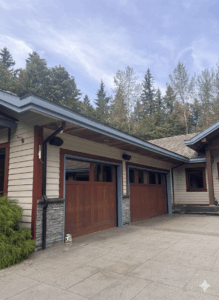
When the leaves start changing and the air turns crisp, many homeowners look around and think: “This is the perfect time to paint the house!”
But is it really?
At Casanova Painting, we often hear clients say they want to squeeze in one last exterior paint job before winter hits. While fall seems like a good time, the truth is that lower temperatures, shorter days, and moisture can seriously affect paint performance — and the longevity of your home’s finish.
Let’s uncover some of the most common misconceptions about painting outside in the fall and why timing matters more than most people think.
🧩 Misconception #1: “Cooler Weather Is Perfect for Painting”
It’s true that extreme heat can make painting difficult, but cooler doesn’t always mean better.
Most exterior paints are formulated to perform best between 10°C and 30°C (50°F to 86°F). Once temperatures dip below that range, the paint takes much longer to cure — or worse, it may not adhere properly at all.
What can go wrong:
- Paint may not form a strong bond with the surface.
- You might see cracking, peeling, or bubbling within months.
- The finish can appear uneven or chalky.
💧 Misconception #2: “As Long as It’s Dry, It’s Fine to Paint”
Fall often brings dew, rain, and higher humidity — all enemies of a quality paint job. Even if it seems dry in the afternoon, overnight moisture can settle on freshly painted surfaces, interrupting the curing process.
The result:
- Blistering and peeling paint.
- Trapped moisture that causes wood rot or mould.
- Shortened lifespan of your paint finish.
🌥️ Misconception #3: “You Can Paint Until It Snows”
Even before snow arrives, cold nights and fluctuating daytime temperatures cause the surface of your home — especially wood — to expand and contract. This movement stresses the paint film before it’s had a chance to cure properly.
And once temperatures consistently fall below 10°C, even “cold-weather” paints can struggle to perform as intended.
🕒 The Right Time to Paint Outside
In British Columbia’s Lower Mainland — including Maple Ridge and the surrounding areas — the ideal exterior painting season typically runs from late spring to early fall (May to September).
During this period:
- Temperatures are stable.
- Surfaces dry more consistently.
- Paint cures evenly for a smooth, lasting finish.
If painting must be done in fall, it’s important to work with professionals who understand how to monitor weather conditions, surface temperatures, and drying times carefully.
🏠 Why Timing Matters for Your Investment
Your home’s exterior isn’t just about curb appeal — it’s about protection. Properly applied paint seals and shields your surfaces from rain, UV rays, and temperature fluctuations. Painting at the wrong time of year risks wasting both time and money.
At Casanova Painting, we help homeowners plan their exterior projects around optimal conditions to ensure:
- Long-lasting results
- Consistent colour and finish
- A paint job that stands up to the West Coast’s challenging weather
💡 Final Thoughts
Painting in the fall can be done — but only under the right circumstances and with the right products. Before starting an exterior project this season, ask yourself:
✅ Are daytime and nighttime temperatures consistently above 10°C?
✅ Is the surface completely dry (including overnight)?
✅ Has there been at least 24–48 hours of dry weather before and after painting?
If you’re unsure, it’s better to wait or consult a trusted professional.
🎨 Casanova Painting: Your Local Exterior Painting Experts
We’ve built our reputation on quality craftsmanship, honesty, and lasting results. Whether you’re planning ahead for spring or need advice about your fall project, our team is here to help you protect your home the right way — the first time.
👉 Contact us today for a free consultation or visit www.CasanovaPainting.com.